

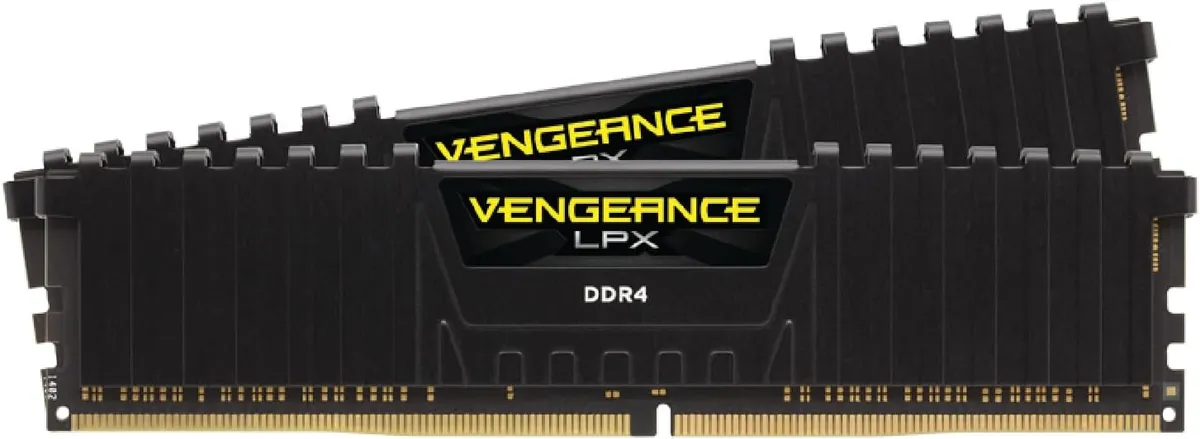
For decades, PC gaming has sold itself on the promise of flexibility, freedom, and superior price-to-performance ratio. However, as RAM prices surge and modern titles demand ever-increasing system memory, the average budget gamer finds themselves facing a steep financial barrier. The vision of an accessible living-room PC—which Valve once sought to revolutionize with the original Steam Machines—feels further out of reach than ever.
The Memory Crisis: From Cheap Upgrade to Costly Bottleneck
Where adding extra RAM used to be the cheapest and most straightforward way to boost system performance, the market dynamics have shifted dramatically. Price increases, particularly across DDR5 memory—driven by enterprise AI demand and supply chain realignments—have turned RAM into a heavy line item on any build sheet.
Concurrently, modern game engineering has made 16 GB of RAM the bare minimum, while 32 GB is rapidly becoming the new standard for smooth AAA gameplay. This leaves budget-conscious builders in a tight spot:
- Higher Entry Cost: Even entry-level DIY rigs quickly balloon in price, losing their competitive edge against consoles like the PS5 and Xbox Series X.
- Stagnant Upgrade Paths: Gamers are forced to cling to aging DDR4 platforms longer than ideal, creating system-wide performance bottlenecks.
- Hidden System Trade-offs: As system memory eats up more of the budget, prioritizing a capable dedicated GPU becomes far harder.
Many contemporary games rely on VRAM spilling, where graphics data overflows into standard system RAM if video memory reaches capacity. Having fast, ample system memory is critical to preventing micro-stutters.
The Steam Machine Illusion: When the Living-Room PC Dream Faded
To understand how we arrived at this inflection point, we must look back to 2015 when Valve introduced the Steam Machine concept. The vision was captivating: compact, pre-built PCs designed for the living room, bridging the open nature of PC gaming with console simplicity and value.
While expectations ran high, reality played out very differently. The ecosystem faltered due to three key obstacles:
1. Hardware Fragmentation and Pricing Realities
Unlike console manufacturers who can sell hardware at low margins (or subsidies) and recoup costs through software royalties, third-party hardware vendors like Alienware and Zotac needed to turn a profit on the box itself. The resulting PCs were significantly more expensive than consoles without offering a clear value proposition.
2. An Immature Operating System
At the time, SteamOS was far from ready for mainstream adoption. Linux compatibility for AAA titles was sparse, and the Proton compatibility layer was still years away. End users frequently ended up installing Windows, stripping away the streamlined console-like appeal.
3. Component Volatility Killed Scale
Fragmented configurations meant manufacturers couldn't achieve true economies of scale. Every fluctuation in RAM or GPU memory pricing directly inflated retail price tags, whereas fixed console architectures maintained price stability for years.
Planning an upgrade? Always prioritize dual-channel RAM (e.g., 2x16 GB instead of 1x32 GB). It offers significant memory bandwidth advantages in modern games at no extra cost.
The Future of Budget Gaming: Console, Cloud, or Compromise?
Was Valve's Steam Machine initiative a total failure? Not entirely. The hard lessons learned from those living-room PCs laid the foundation for the massive success of the Steam Deck. With the Deck, Valve took total control over hardware design, locked the specifications, and subsidized pricing to create a true consumer hit.
For the traditional desktop builder, however, challenges remain high. With high memory costs elevating overall build prices, many players are turning to alternative routes. Cloud gaming services like GeForce NOW and subscription platforms like Xbox Game Pass are becoming attractive sanctuaries for those reluctant to pay premium prices for physical hardware.
The dream of the cheap, modular gaming PC isn't dead, but it currently demands greater financial compromise than before. Until the memory market stabilizes, mainstream PC gamers must either pay up or adapt their gaming habits.

